


Psyllium husks and their effect on the intestines, cholesterol and blood sugar
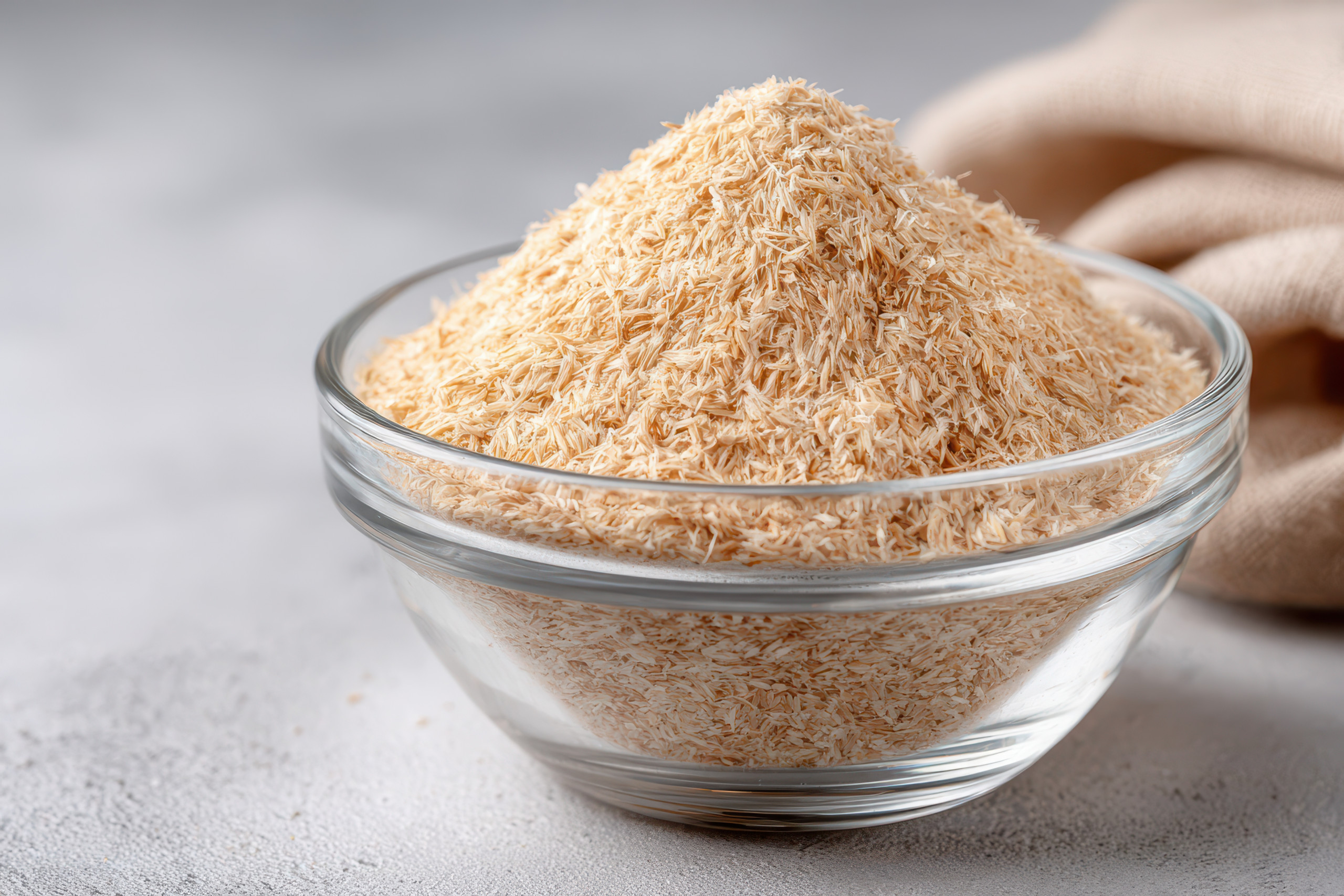
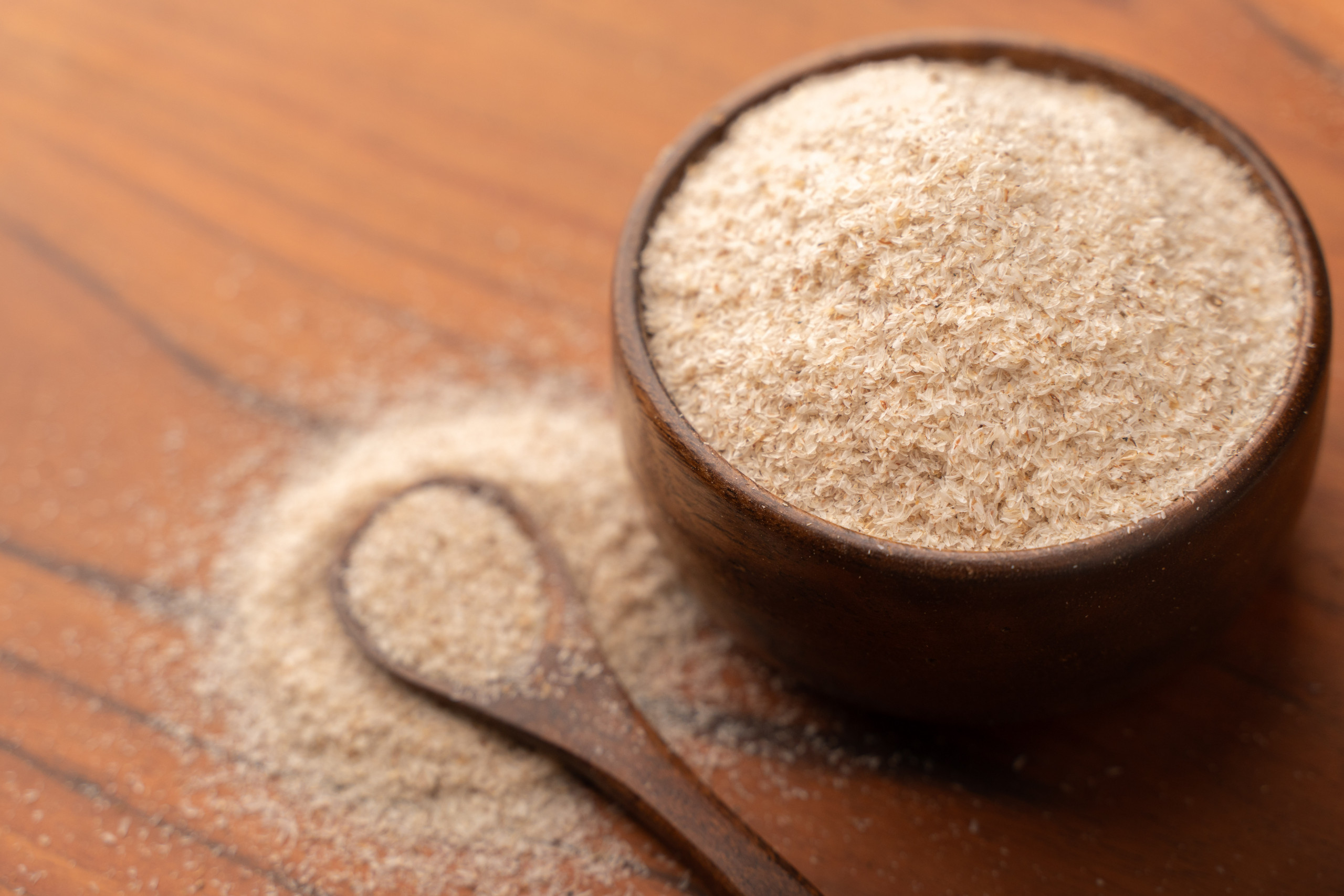
There are things that seem inconspicuous at first glance – but change everything at second glance. Psyllium husks are one of them. The small, beige-colored husks of the seeds of the Plantago ovata plant have been known in naturopathy for centuries. And yet they are still underestimated in everyday life. Yet they could be a simple, gentle and effective tool for many people – especially those who look after their own health on a daily basis.
What’s behind the hype?
Psyllium husks consist largely of mucilage and soluble fiber. When they come into contact with water, they swell to form a viscous gel – and this is precisely where their special power lies. In the intestine they act like a gentle, protective film: they soothe the mucous membrane, regulate digestion and at the same time create optimum conditions for healthy intestinal flora.
But that’s not all. Psyllium husks are also valuable prebiotics, which means that they serve as food for the probiotic bacteria in our gut. Anyone who regularly takes probiotics or takes care of their intestinal health should know this: Without sufficient prebiotic food, the good bacteria cannot develop optimally. Psyllium husks provide exactly what they need to thrive.
What effects the miraculous psyllium husks have – far more than expected
Psyllium husks are much more than a simple laxative. Their range of effects is impressive and surprises many people who initially only know them as a household remedy for constipation. Here is an overview of what they can really do:
Relieve constipation and regulate bowel movements The swellable gel increases stool volume and gently stimulates bowel movements – without irritating. Psyllium husks work in both directions: They help with both excessively hard and excessively soft stools and bring the bowel back into its natural rhythm.
Activate intestinal motility – for regular bowel movements Swelling in the intestine creates more mass – and more mass means more stimulation for the intestinal wall. The smooth muscles of the bowel react to this with increased peristalsis, i.e. the wave-like movements that push the bowel contents forward. The result: a noticeably more regular bowel movement, without dependence on laxatives and without irritating the bowel.
Cleansing the intestinal villi – gentle mechanical cleansing from within The increased stool mass does not simply glide through the intestines – it also brushes along the fine intestinal villi and takes with it what has been deposited there over time: old mucus residues, metabolic residues, deposits that have become sluggish. A kind of internal cleansing that the body carries out all by itself – gently, carefully and without chemical aids.
The swellable gel can bind harmful substances, metabolic waste and other unwanted deposits that have lodged in the intestinal villi and safely eliminate them with the stool. This gentle detoxification effect makes psyllium husks a valuable companion in any bowel cleansing program – and in everyday life as a silent, continuous cleansing aid.
Binding bile acids – particularly important after bile surgery and in bile acid loss syndrome Psyllium husks have a pronounced ability to bind bile acids in the intestine. Healthy people benefit from this because bound bile acids are excreted and the body breaks down cholesterol for new production – a natural way of lowering LDL levels. However, this effect is particularly valuable for people who have had their gall bladder removed or suffer from bile acid loss syndrome. In this case, the regulating function of the gallbladder, which normally releases the bile acids into the intestine in doses, is missing. Instead, large quantities of bile acids enter the large intestine in an uncontrolled manner – which can lead to irritation, diarrhea and cramps. Psyllium husks can bind these excess bile acids, buffer their effect on the intestinal mucosa and thus significantly alleviate the symptoms. Psyllium husks are also a gentle, low-side-effect supplement to medical treatment for diagnosed bile acid loss syndrome, which can noticeably improve quality of life.
Nourish the microbiome (prebiotic effect) The soluble fiber serves as food for probiotic bacteria such as Lactobacillus and Bifidobacterium. If you support your gut with probiotics, psyllium husks significantly enhance their effect.
Protect and soothe the intestinal mucosa The resulting gel covers the intestinal mucosa like a protective film – particularly valuable for irritable bowel syndrome, inflammation or after antibiotic treatment.
Stabilize blood sugar The gel slows down the absorption of sugar into the blood after meals and thus dampens blood sugar peaks. A real added value for people with insulin resistance, type 2 diabetes or general sugar cravings.
Lower cholesterol Soluble fiber binds bile acids in the intestine, which causes the body to use more cholesterol to produce new bile acids. This can reduce LDL levels.
Prolong satiety The swollen gel fills the stomach and ensures a long-lasting feeling of satiety – helping you to eat more consciously or lose weight.
After antibiotics, intestinal infections or intestinal rehabilitation, psyllium husks create a good basis for rebuilding the microbiome – as a gentle, structuring companion.
Support inflammatory bowel diseases In diseases such as Crohn’s disease or ulcerative colitis (in quiet phases), psyllium husks can soothe the intestinal mucosa and stabilize stool consistency – always in consultation with a doctor.
Protecting the bowel in the event of an increased risk of cancer A diet rich in fiber has long been associated with a reduced risk of bowel cancer. Psyllium husks can serve as a simple, everyday supplement.
Daily psyllium husks – a sensible companion?
If you take psyllium husks every day, you are doing your body good in many ways. The regular intake not only supports regular digestion, but also continuously nourishes the microbiome. Especially at a time when low-fiber diets are widespread, psyllium husks can help to raise the daily amount of fiber to the recommended level.
From an integrative, holistic perspective, psyllium husks also reflect something important on a symbolic level: they stand for gentle continuity, for quiet, reliable care. It is not the big, dramatic things that often bring lasting healing – but the everyday small things, the basics.
Prebiotics for our microbiome – the silent diet
Our gut is home to trillions of microorganisms – bacteria that control our immune system, influence our mood, produce vitamins and regulate inflammatory processes. Probiotic bacteria – the good helpers – need food to survive. This food is called prebiotics. Psyllium husks belong to this group of natural prebiotics, as do acacia fibers, potato starch and inulin.
This means that they do not have a direct antimicrobial or probiotic effect – rather, they create a habitat and a nutritional basis on which Lactobacillus, Bifidobacterium and co. can thrive. If you support your gut with probiotics – whether through fermented foods or food supplements – and take psyllium husks at the same time, you create a powerful symbiosis.
Please drink! The most important rule for psyllium husks
Here is a crucial tip that should really be taken seriously: Psyllium husks only work if you drink enough liquid. The rule of thumb is to drink at least 200 to 300 ml of water per teaspoon – and generally make sure you stay well hydrated throughout the day.
If psyllium husks are taken without sufficient water, they can swell in the stomach or oesophagus and lead to difficulty swallowing or constipation – the opposite of the desired effect. This recommendation should be heeded in particular by older people or people who drink too little anyway.
If you are taking medication, you should also take it at least 30 to 60 minutes apart, as psyllium husks can affect the absorption of other substances in the intestine. In the case of existing intestinal diseases, it is always advisable to consult a doctor.
The stomach holds on to what the soul cannot yet let go of
Whenever you meet people who are prone to constipation – be it your own children, people in your personal environment or patients in your practice – it is worth taking a look at the psychological dimension. This is because constipation is almost always linked to the issue of letting go on a symbolic and psychosomatic level. With a deep, often unconscious holding on. With the need to keep something, to control it, to secure it – because the inner conviction is still missing that things will continue to go well without this holding on.
The body literally holds back what the soul cannot yet release. And for a good reason: holding on is always initially a protective impulse. A sign that trust – in yourself, in others, in life – has not yet grown sufficiently to dare to take the next step.
If you intervene – whether with psyllium husks, other natural remedies or medical measures – and relieve the constipation on a physical level, this never happens in isolation. The body and the psyche are not separate systems. What is released in the bowel can also set something in motion in the soul. And this is not always pleasant.
If the inner security has not yet grown enough, the release of the physical blockage can lead to a kind of psychological destabilization – a feeling of loss of control, inner restlessness or diffuse fear. The person is not yet ready to let go and now feels this in a way that they may not be able to categorize.
Sometimes, however, it is precisely this physical nudge that provides the necessary impetus: the person comes into contact with the feeling of letting go for the first time – and realizes that it feels good. Lighter. Freer. This can be a healing first step that allows inner trust to grow.
Therefore, this dimension should always be addressed and carefully observed. If you want to stimulate digestion with psyllium husks or other remedies, you can invite yourself – or the person you are accompanying – to pause and reflect. How does it feel? What is dissolving? What reveals itself? Nothing should be forced if the inner moment is not yet ripe. The body gives the clue, the soul sets the pace.
How are psyllium husks taken?
It is very easy to take. One to two teaspoons are stirred into a large glass of water – or alternatively into juice, yogurt or smoothie – and drunk immediately before the mixture thickens too much. In the morning, ideally before breakfast, is a good time. If you are sensitive, start with a smaller amount and increase slowly.
Quality plays a role here: look for organic quality, ideally with a high swelling capacity – whole or coarsely crushed shells swell better than fine powder.
Conclusion: Small but powerful
Psyllium husks are not a miracle cure in the sense of a quick fix – but a reliable, gentle companion on the way to better intestinal health and well-being. They prevent constipation, nourish the microbiome, cleanse the intestinal villi, bind bile acids and stabilize blood sugar. If you take them every day, you are investing in one of the most important health anchors of all: a healthy, well-nourished and clean-flowing gut.
And never forget: water is a prerequisite. Psyllium husks without sufficient liquid are like a seed without soil. But with the right foundation, they can develop something really beautiful – in you.

Leave A Comment