

The paradise of kitchen herbs –
The healing power of our spice drawer
Why every meal can be beneficial
Imagine reaching for a medicine every day that you don’t have to buy at the pharmacy, that doesn’t need a package insert and that gives your food both soul and flavor. That’s exactly what culinary herbs are – and most of us vastly underestimate them.
In many kitchens, parsley, basil or thyme end up on the plate as a pretty decoration at best. What lies behind them – a centuries-old healing art, a biochemical powerhouse, a direct communication channel to your body – usually goes unnoticed. This article aims to change that.
Kitchen herbs: more than just taste
Mankind has been using herbs for thousands of years – not initially as seasonings, but as medicine, as preservatives, as protection. The idea of using herbs “only for flavoring” is a very modern narrowing of their actual essence.
In naturopathy and Traditional Chinese Medicine (TCM), culinary herbs are an important part of any therapy. They are not regarded as isolated active ingredients, but as living plants with temperature, flavor and organ affinity – in other words, with an internal logic that is directly related to your organs and your life energy, the Qi. Bitter culinary herbs such as rosemary strengthen the cardiovascular system and stimulate digestion. Pungent culinary herbs such as thyme support the lungs. Sour culinary herbs such as parsley belong to the liver-gallbladder axis – especially in spring when these organs are in their active phase.
This is no coincidence. It is an ancient observational science.
What herbs really do for your body
Fresh kitchen herbs are real nutrient bombs: rich in vitamins C, K and A as well as iron and calcium. But their real strength lies in the secondary plant substances – the essential oils, polyphenols, flavonoids and bitter substances that make herbs natural anti-inflammatories, immune modulators and cell protectors.
Antioxidants in herbs neutralize free radicals – the reactive molecules that are produced in large quantities by chronic stress, poor diet and lack of sleep and drive silent inflammatory processes in the body. Eating fresh herbs regularly keeps this silent inflammation at a lower level – without pills, without side effects.
There is also the effect on the gut: culinary herbs increase the diversity of plants in the daily diet, which has a direct positive effect on the microbiome. Studies show that a high plant diversity – including herbs – reduces the risk of cardiovascular disease, certain types of cancer and metabolic disorders. That sounds like great promises. But it is simply good biochemistry.
The psychosomatic dimension: herbs and the mind
There is one level that receives little attention in modern nutritional science, but is essential in naturopathy: the psychosomatic effect of herbs.
Aromas appeal to the limbic system – the evolutionarily oldest part of our brain, which is directly linked to emotion, memory and the autonomic nervous system. The scent of fresh basil, thyme in a stew or mint in a glass of water has a direct effect on the nervous system via the nose. It can dampen, invigorate, ground or open – depending on the plant and the person’s constitution.
In my practice, I experience time and again how conscious cooking with herbs encourages people to slow down, take a closer look and get in touch with themselves. This is not romanticization. It’s neurobiology: when you smell, taste, touch and take your time while cooking, you activate the parasympathetic nervous system – the resting nerve – and leave the chronic stress mode that so many of my patients are stuck in. Herbs are therefore not just food. They are an invitation to slow down.
Tender and robust herbs – an overview
Culinary herbs can be roughly divided into two groups. This distinction is not only important for culinary purposes, but also for medicinal purposes: it determines when and how you use an herb to get the maximum benefit from its active ingredients.
Delicate kitchen herbs – raw and fresh
Basil, parsley, coriander, dill, chives, tarragon and mint belong to this group. They have soft, delicate leaves and a fresh, bright aroma. Heat is their enemy: their essential oils and most of their vitamins evaporate quickly during cooking. Delicate herbs should therefore always be added to the finished dish at the end – or raw in salads, dips and dressings.
Robust kitchen herbs – unfold with heat
Rosemary, thyme, sage, oregano, marjoram and lovage are the classics of European naturopathy. Their essential oils are more heat-resistant and are particularly effective in stews, soups and oven dishes. They can be cooked right from the start – and release their active ingredients slowly and deeply into the food. The longer they infuse, the more intense the effect.
13 Kitchen herbs – ingredients, healing effects and their power
Here we present thirteen herbs that you can – or should – find in almost every kitchen. They are not exotic, they are not pharmacy preparations, they are not a luxury. They grow on the windowsill, at the market, in the garden. And every single one of them has more to offer than most people realize.
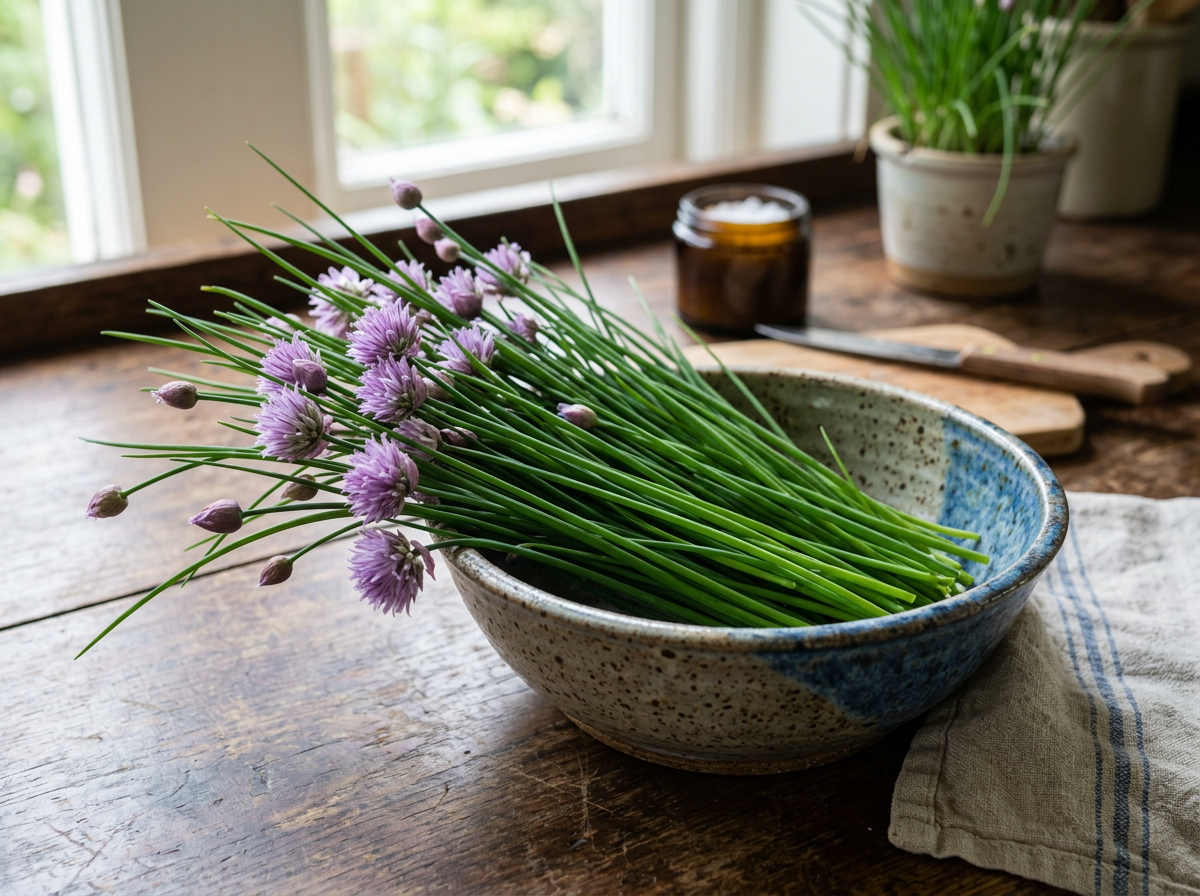
1. chives (Allium schoenoprasum)
Ingredients: sulphur compounds (allicin, alliin), vitamin C, vitamin K, beta-carotene, flavonoids, essential oils, iron, calcium, folic acid.
Healing effect: Chives have an antibacterial, antiviral and slightly antihypertensive effect. Its sulphur compounds help the liver to detoxify and stimulate bile production. It strengthens the immune system and has an anti-inflammatory effect. In naturopathy, it is considered a mild spring herb that revitalizes the metabolism after winter.
TCM: Chives are warming and belong to the liver and kidney meridians. It strengthens the yang, promotes circulation and is used when feeling cold and exhausted.
Tip: Sprinkle freshly chopped over soups, quark, egg dishes or salads – never cook, as the valuable ingredients are sensitive to heat.
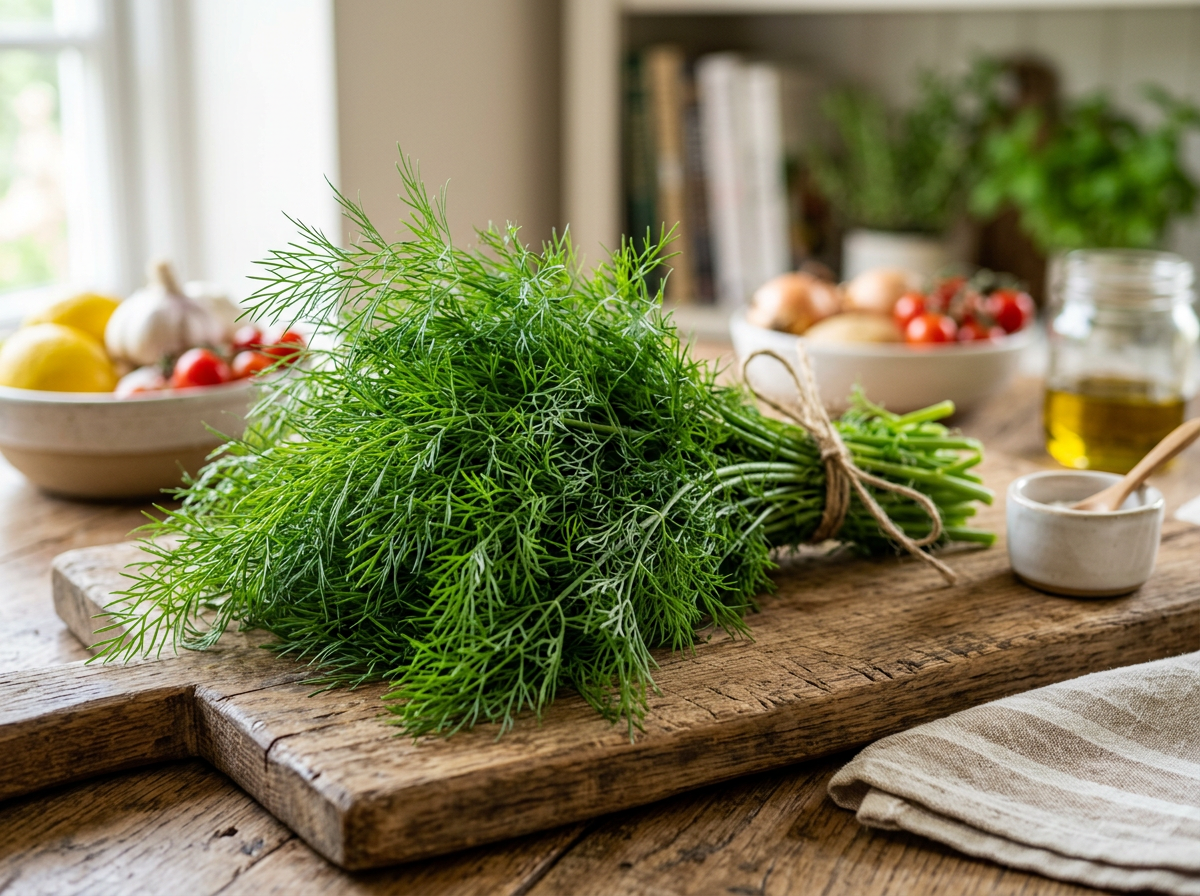
2. dill (Anethum graveolens)
Ingredients: Essential oils (carvone, limonene, phellandrene), flavonoids, vitamin C, folic acid, calcium, iron, potassium, magnesium.
Healing properties: Dill is one of the oldest medicinal herbs known to mankind – as far back as ancient Egypt. It has a carminative (flatulence-relieving), antispasmodic and calming effect on the smooth intestinal muscles. It promotes digestion, stimulates the appetite and helps with bloating and mild stomach cramps. Its calming effect on the nervous system also makes it a traditional sleeping herb.
TCM: Dill warms the middle warmer (stomach-spleen-pancreas axis), regulates the Qi and alleviates digestive weakness caused by cold.
Tip: Particularly aromatic with cucumber, potatoes, fish and yoghurt sauces. Fresh or dried – the essential oils are still effective when dried.
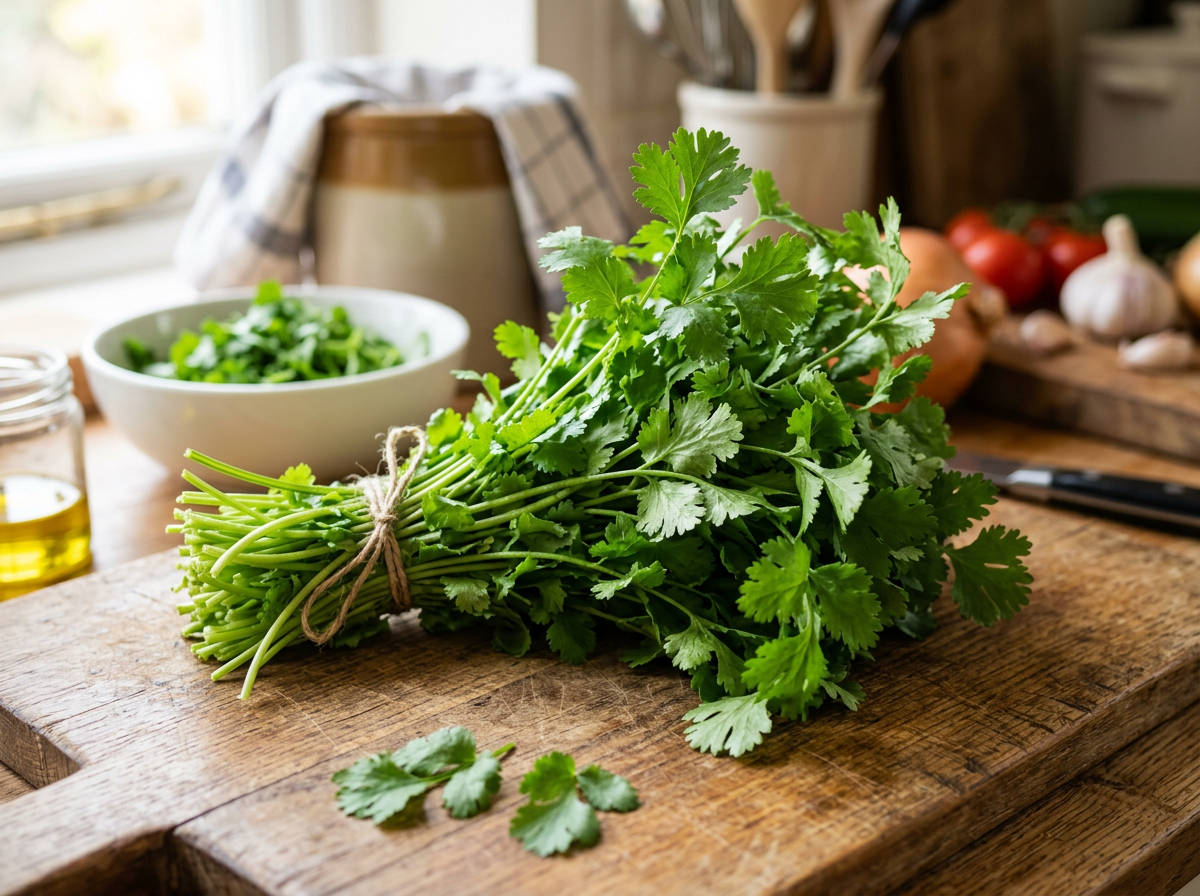
3. parsley (Petroselinum crispum)
Ingredients: vitamin C (more than lemon), vitamin K, folic acid, iron, calcium, apigenin (flavonoid), myristicin, apiol, essential oils, chlorophyll.
Healing effect: Just two tablespoons of fresh parsley cover the daily requirement of vitamin C – and at the same time significantly improve the absorption of iron from a meal. Apigenin, its most important flavonoid, has an anti-inflammatory and antioxidant effect and is being investigated for its neuroprotective properties. Parsley supports the kidneys, has a mild diuretic effect and is considered a classic detoxifying herb.
TCM: Affinity to liver and kidneys. Moves the blood qi, cools heat and supports the elimination of moisture.
Tip: Always add fresh and raw or only at the end of cooking. Particularly valuable in combination with pulses and cereals, where it significantly improves iron absorption.
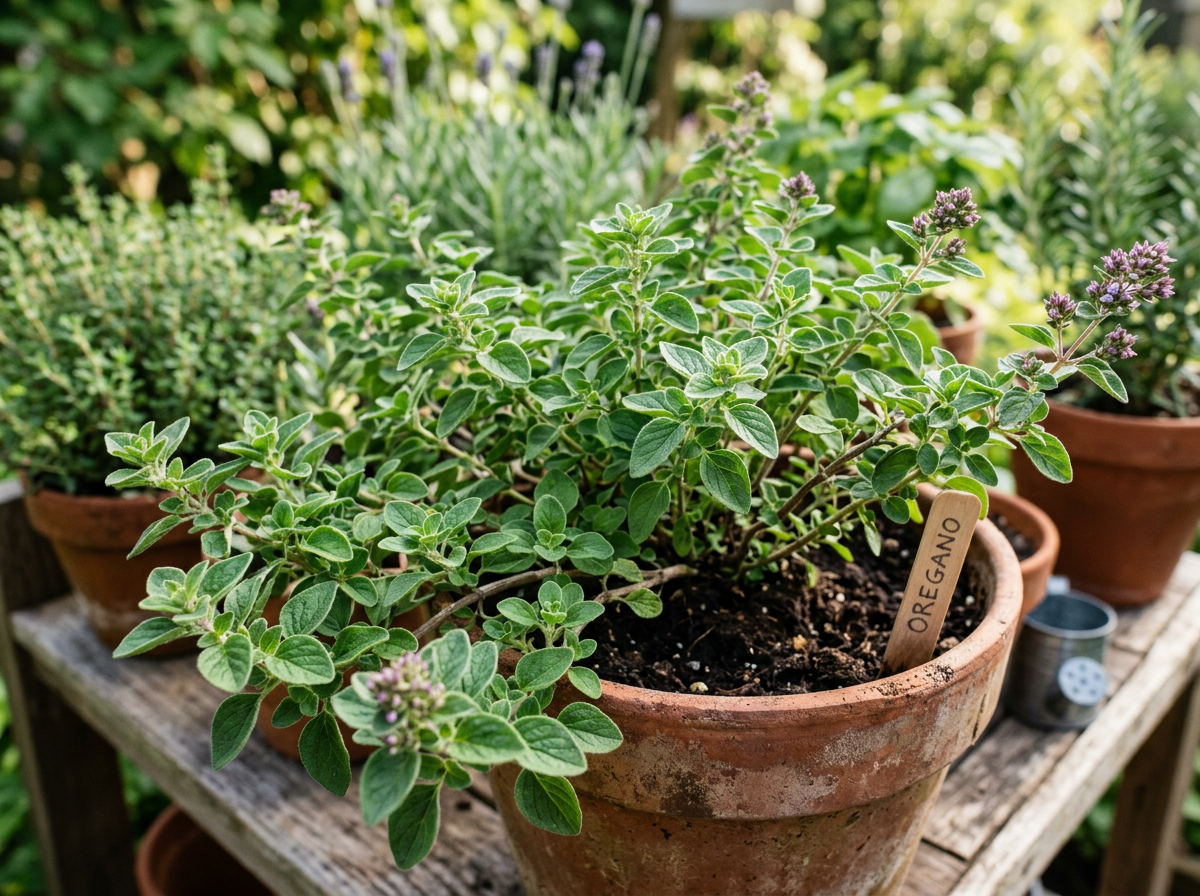
4. oregano (Origanum vulgare)
Ingredients: carvacrol, thymol (strong antimicrobial), rosmarinic acid, flavonoids, vitamin K, manganese, essential oils, terpenes.
Healing effect: Oregano is one of nature’s most powerful antimicrobial herbs. Studies have shown that carvacrol and thymol have a strong effect against bacteria, fungi and viruses – including resistant germs. Oregano has an anti-inflammatory, immune-boosting and antioxidant effect. It is used in naturopathy for respiratory tract infections, intestinal fungus (candida) and chronic inflammatory conditions.
TCM: Warms and dries, supports the lungs and large intestine, expels cold and wind pathogens – classic for colds and a damp constitution.
Tip: More aromatic dried than fresh. Add to tomato dishes, Mediterranean stews and marinades – heat releases the essential oils optimally.
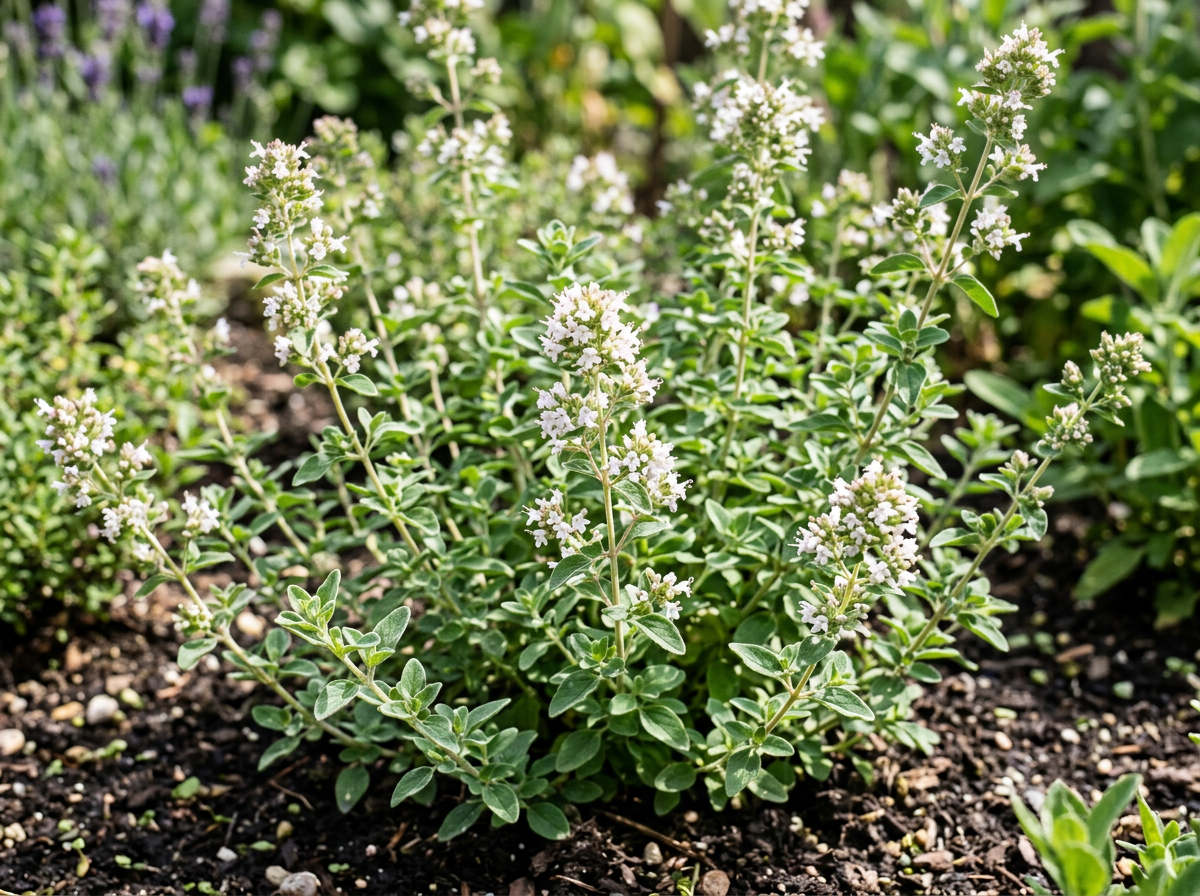
5. marjoram (Origanum majorana)
Ingredients: terpinen-4-ol, sabinene, linalool, rosmarinic acid, ursolic acid, flavonoids, essential oils, vitamin C and K.
Healing properties: Marjoram is the gentler brother of oregano. It has an antispasmodic, flatulence-relieving and calming effect on the autonomic nervous system. It is particularly valuable for stress-related digestive complaints: When the stomach reacts to tension and emotional stress, marjoram is a classic herb of choice. It has a mild sedative component that is helpful for sleep disorders.
Psychosomatics: The herb of inner warmth and protection – marjoram was traditionally regarded as an herb against sorrow and heartache. It appeals to the stomach as the seat of worry and brooding.
TCM: Warms the middle warmer, regulates the lung qi, relieves cold phlegm in the respiratory tract.
Tip: Indispensable in minced meat dishes, legume stews and potato soups. As a tea for stomach complaints and inner restlessness.
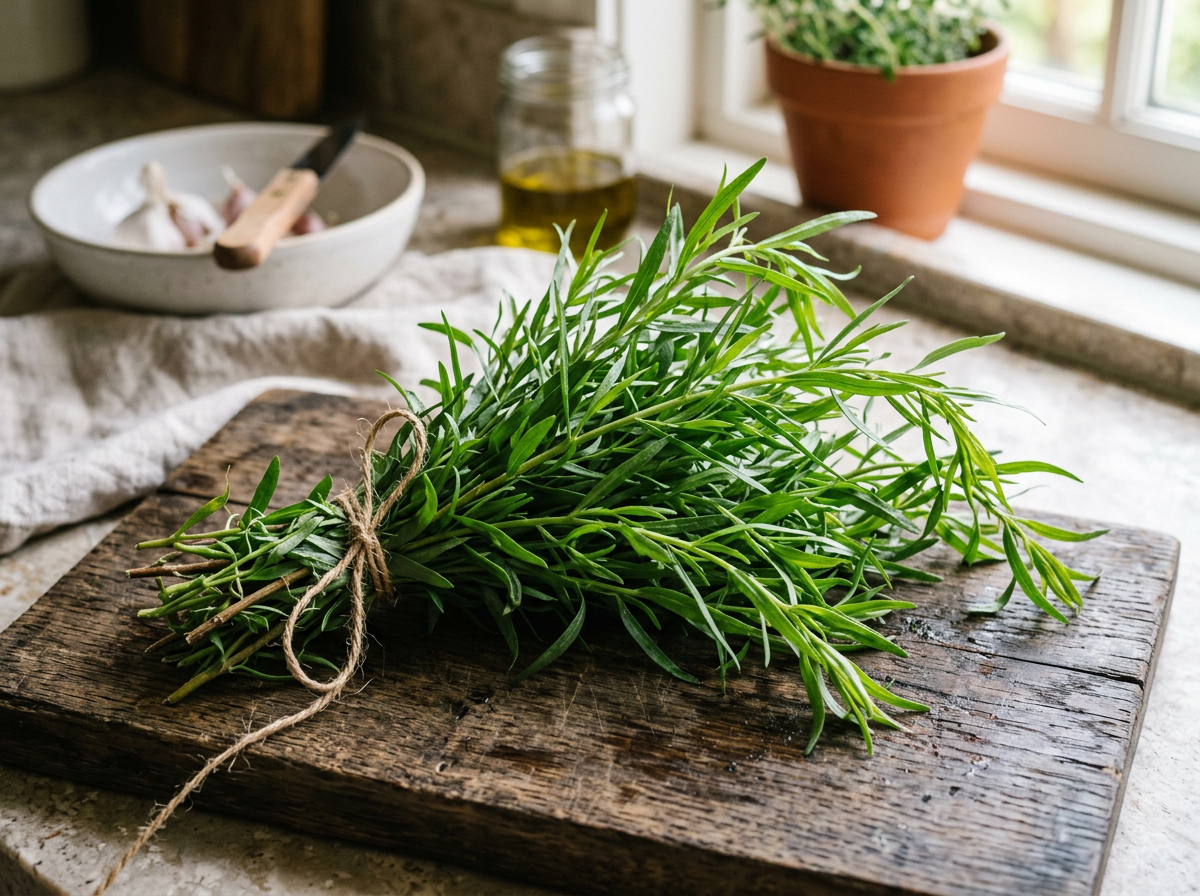
6. tarragon (Artemisia dracunculus)
Ingredients: estragole, ocimene, phellandrene, coumarins, flavonoids, essential oils, vitamin C, manganese, iron.
Healing effect: Tarragon stimulates the digestive juices, promotes the flow of bile and stimulates the appetite. Its coumarins have a slightly anticoagulant effect. It has an anti-inflammatory, antispasmodic and antibacterial effect. Historically, it was used to treat toothache – chewing fresh leaves anaesthetizes the oral mucosa due to its estragole content.
TCM: Warms the stomach and liver, stimulates the liver qi. Stagnation manifests as irritability, mood swings and digestive problems.
Tip: Classic in French cuisine – in mustard sauces, with poultry, in salad dressings and herb butter. Use fresh, as dried tarragon loses a lot of its aroma.
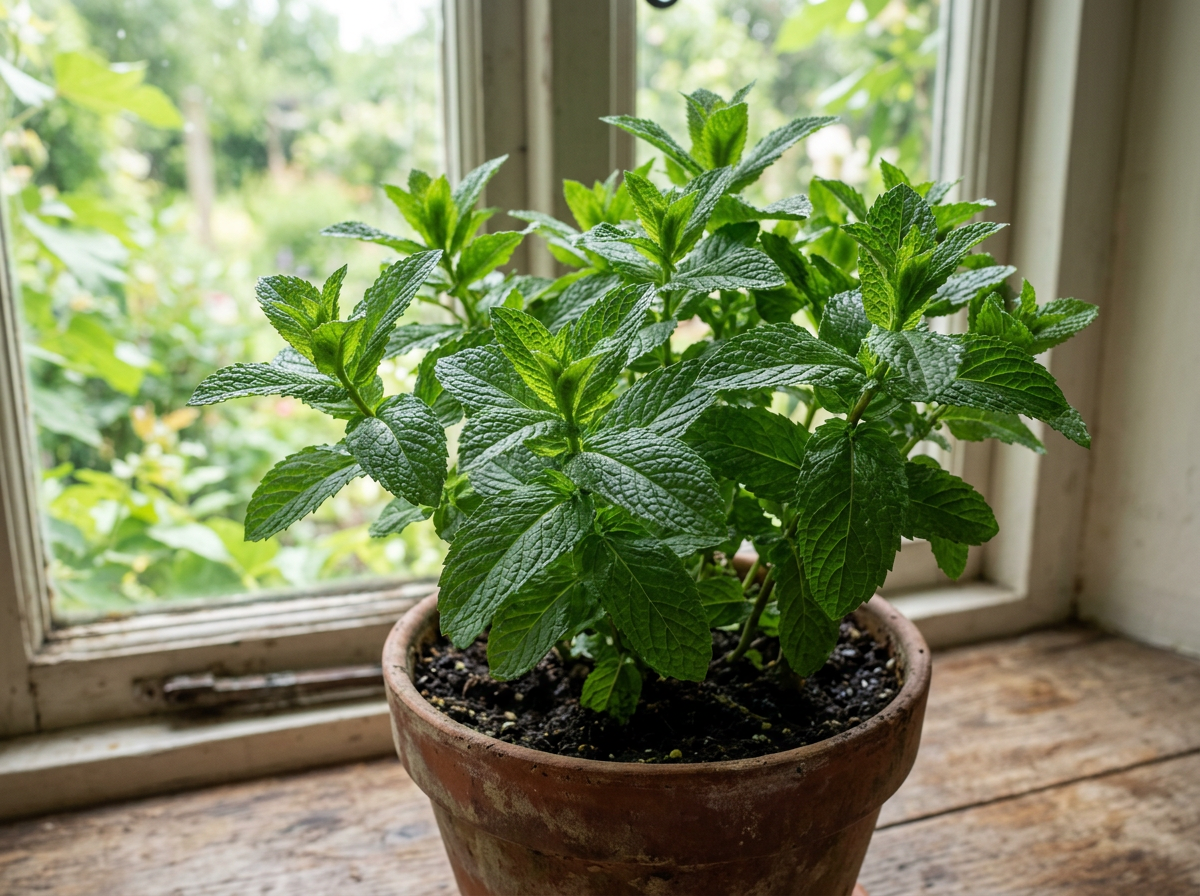
8. mint (Mentha piperita and other species)
Ingredients: menthol, menthone, menthyl acetate (essential oils), flavonoids (luteolin, hesperidin), rosmarinic acid, vitamins C and A, iron, manganese.
Healing effect: Menthol relaxes the smooth muscles of the stomach and intestines – particularly effective for irritable bowel syndrome, flatulence and bloating. Mint has an analgesic, antiviral, antibacterial and expectorant effect on colds and has a cooling effect on fever and hot flushes. Applied externally, peppermint oil has been shown to relieve tension headaches.
TCM: Cooling, liver and lung meridian. Disperses heat and wind-heat pathogens, clears the head and relieves emotional congestion – especially in cases of pent-up frustration and irritability.
Tip: As a fresh tea, in water carafes or over fruit salads. Do not boil – the essential oils evaporate quickly when heated.
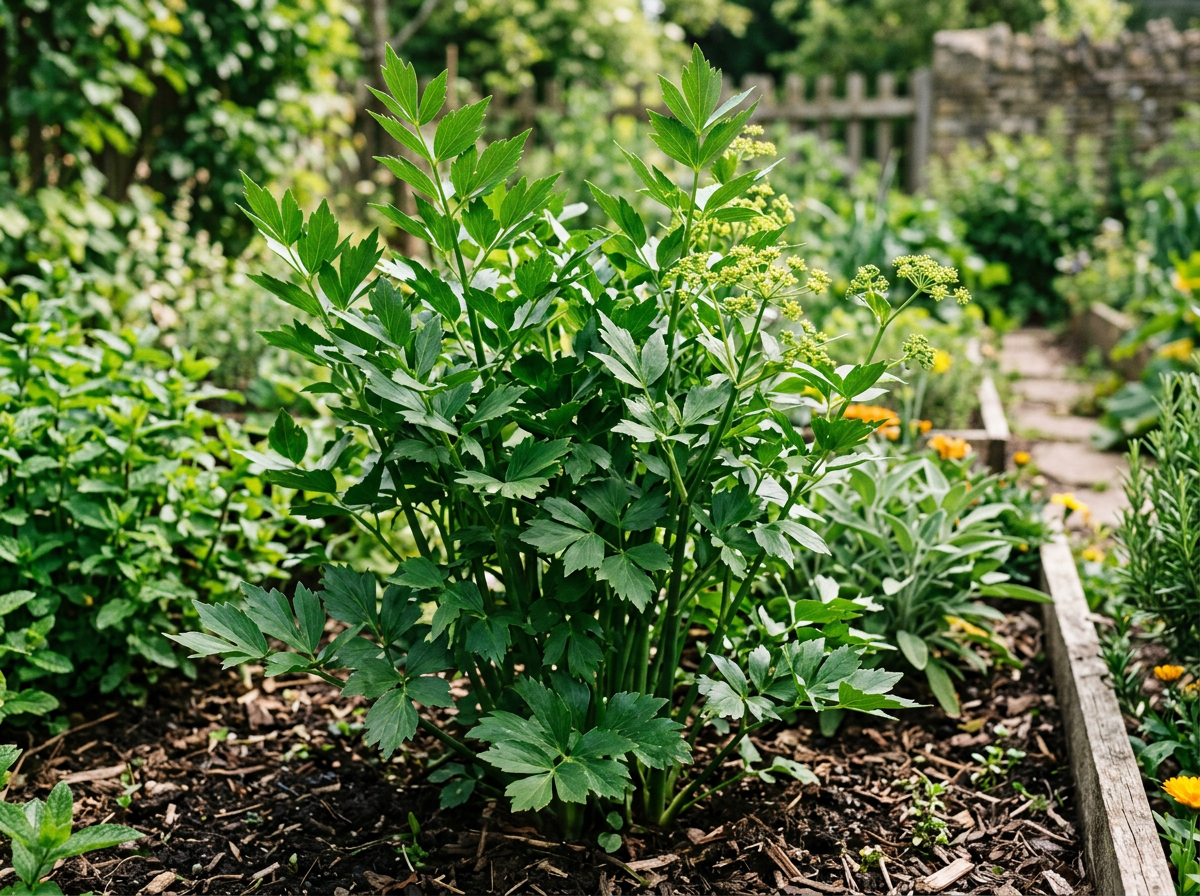
9. maggi herb / lovage (Levisticum officinale)
Ingredients: phthalides (Z-ligustilide), terpenes, coumarins, flavonoids, essential oils, vitamin C, potassium, calcium.
Healing effect: Lovage has a strong diuretic effect and supports kidney detoxification. Classically used for urinary tract infections: It increases the amount of urine, flushes the bladder and has a mild antibacterial effect. At the same time, it promotes digestion, relieves flatulence and tones the stomach. The phthalides relax the smooth muscles in a similar way to dill.
TCM: Warms the kidneys, strengthens the yang, promotes water excretion. For kidney insufficiency constitutions, back and knee pain and oedema.
Tip: Use sparingly – the aroma is very intense. In soups and broths, it acts as a natural flavor enhancer that can partially replace salt.
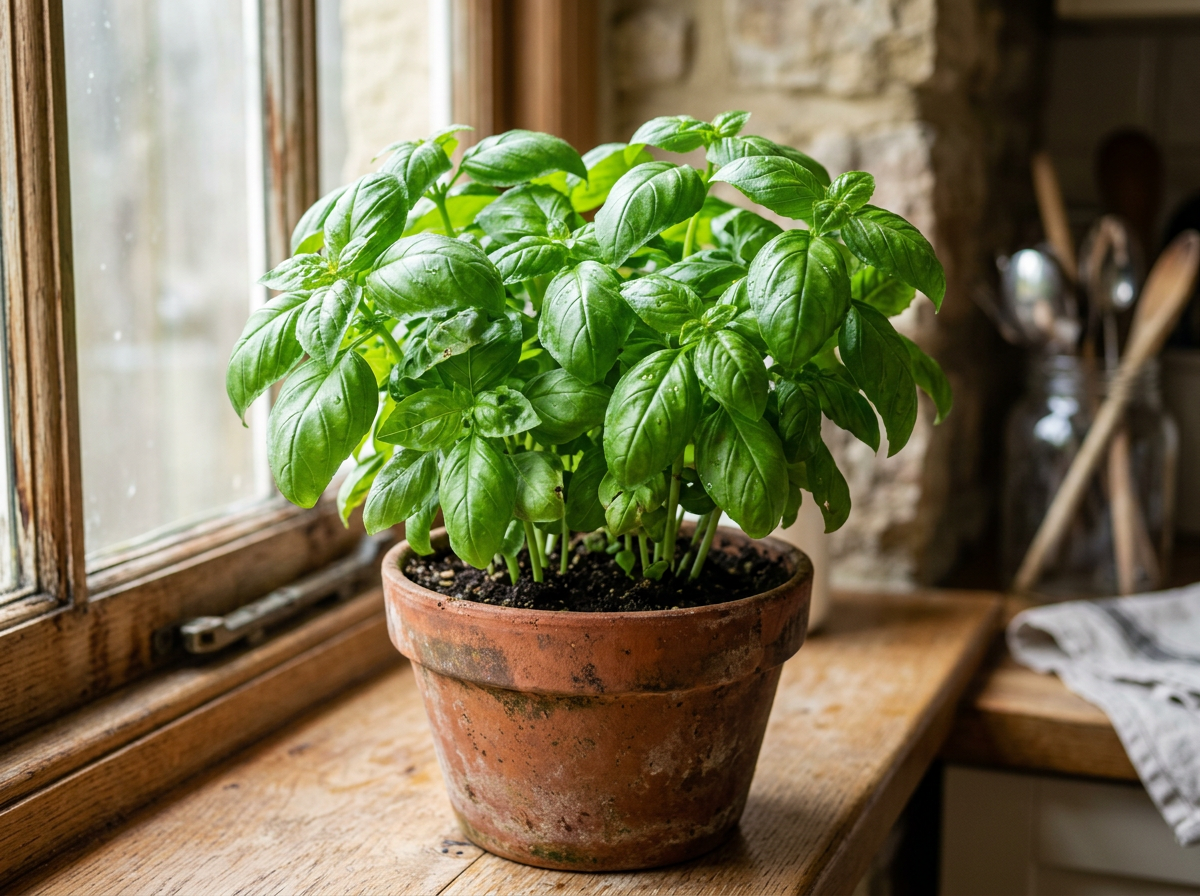
10. basil (Ocimum basilicum)
Ingredients: eugenol, linalool, estragole (essential oils), rosmarinic acid, orientin, vicenin (flavonoids), vitamins K and A, iron, calcium, manganese.
Healing effect: Eugenol has an anti-inflammatory effect through a similar mechanism to ibuprofen – by inhibiting the enzyme COX-2. Rosmarinic acid protects cells from oxidative stress and has an antiviral effect. Basil aids digestion, has an antispasmodic effect and has a slightly calming, adaptogenic effect on the nervous system. In Ayurvedic medicine, tulsi (holy basil) is considered one of the most important adaptogens against chronic stress.
Psychosomatics: Basil stands for warmth, connectedness and joie de vivre. Its aroma activates the limbic system and can positively influence mood and emotional openness.
TCM: Warms the middle warmer, moves the Qi in case of stagnation, supports the stomach and spleen in case of cold-related weakness.
Tip: Always fresh and raw – never cook with it! Add to ready-made dishes, use in pestos or brew as a tea.
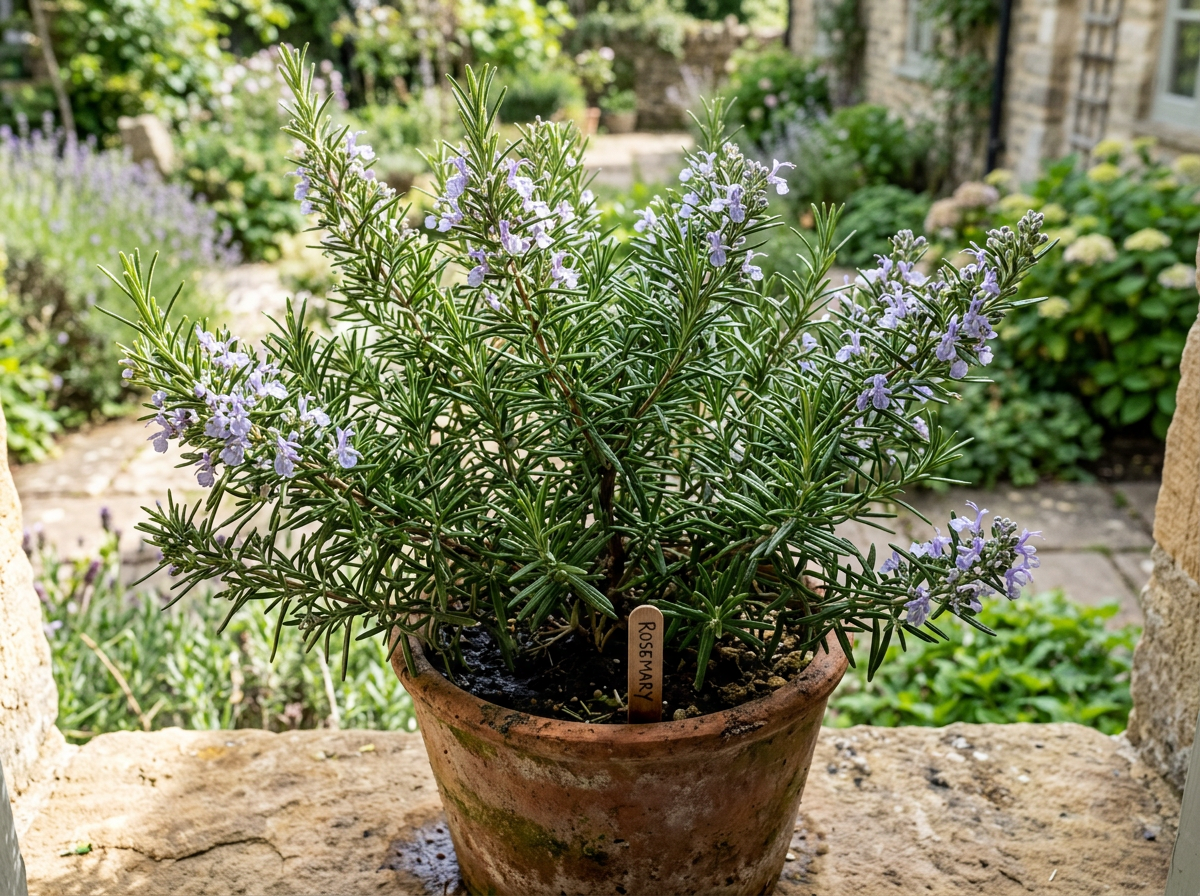
11. rosemary (Salvia rosmarinus)
Ingredients: rosmarinic acid, carnosolic acid, carnosol, 1,8-cineole, camphor, borneol (essential oils), flavonoids (luteolin, apigenin), vitamins C and B6, iron, calcium.
Healing effect: Rosmarinic acid and carnosolic acid are among the most powerful plant antioxidants of all. Rosemary promotes blood circulation – especially in the brain: studies show that its scent measurably improves cognitive performance and memory. It stimulates the liver and gallbladder, promotes fat digestion and has an antibacterial and antifungal effect. In naturopathy it is used for exhaustion, poor circulation, headaches and to relieve the liver.
Psychosomatics: The herb of active living – stimulating, uplifting, invigorating. People who are chronically exhausted and whose fire seems to have gone out benefit from rosemary on several levels simultaneously.
TCM: Warm to hot, heart and liver meridian. Moves the blood, disperses cold, strengthens yang – for exhaustion, cold and listlessness.
Tip: Tolerates heat well – ideal for baked vegetables, roast potatoes and Mediterranean dishes. As a tea in the morning, it has an invigorating and circulatory stimulating effect.
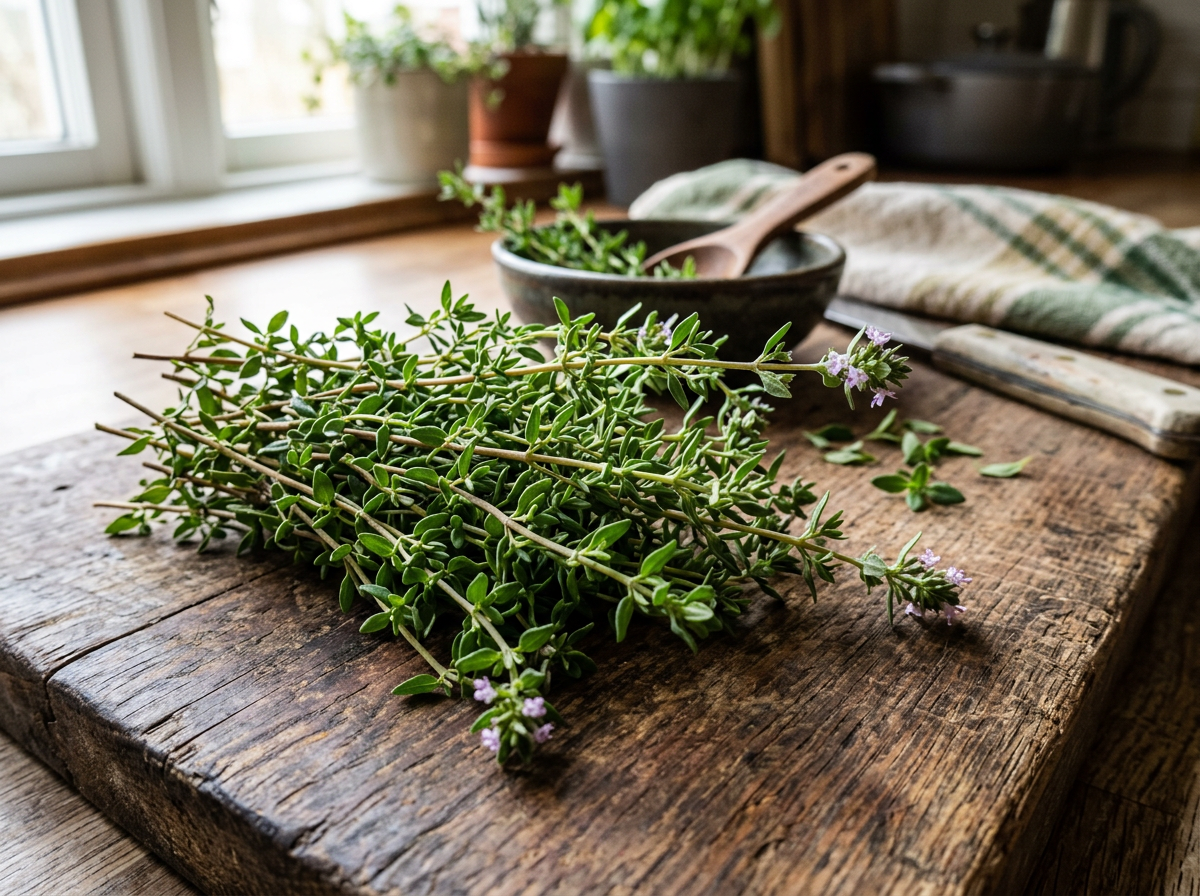
12. thyme (Thymus vulgaris)
Ingredients: thymol, carvacrol (strong antimicrobial), rosmarinic acid, luteolin, ursolic acid, oleanolic acid, essential oils, vitamins C and K, iron, manganese.
Healing effect: The respiratory herb par excellence. Thymol and carvacrol have a strong antibacterial, antiviral and antifungal effect – even against resistant germs. Thyme loosens mucus, relaxes the bronchial muscles and has an anti-inflammatory effect on the respiratory tract mucosa. Officially recognized in Germany as a traditional remedy for colds and chesty coughs. It also has an antibacterial effect on the intestines, aids digestion and strengthens the immune system.
Psychosomatics: The Greek word thymos means thyme as well as life spirit and soul. Thyme is the herb for people who have lost their voice – who do not dare to speak clearly or set boundaries.
TCM: Warms the lungs, expels cold-wind pathogens, dissolves phlegm-cold, strengthens the Wei-Qi (defense energy).
Tip: Unbeatable as a tea for colds and coughs. Simmer in soups and stews – thyme develops its aroma through heat. Also very effective when dried.
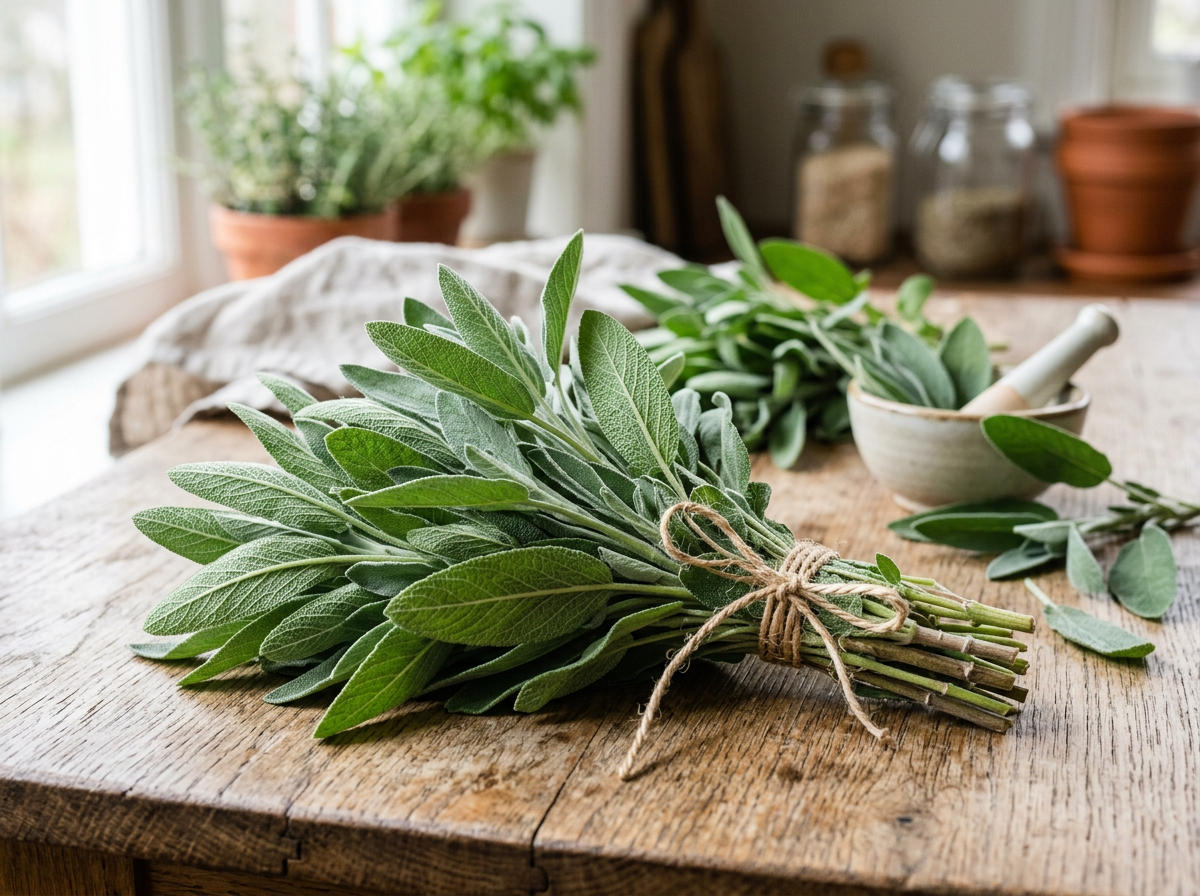
13. sage (Salvia officinalis)
Ingredients: thujone, borneol, cineol (essential oils), rosmarinic acid, carnosolic acid, ursolic acid, flavonoids, tannins, vitamin K, manganese.
Healing effect: Salvia – derived from the Latin salvare, to save – does not bear its name by chance. Its tannins have an astringent and anti-inflammatory effect on mucous membranes: classically for sore throats, inflammation of the oral mucosa and gum problems. It inhibits sweat production – particularly relevant for menopausal symptoms and night sweats – supports bile production and has a strong antibacterial and antiviral effect. Current research is investigating sage extracts for neuroprotective properties and support of memory performance.
Psychosomatics: Sage stands for wisdom, inner stillness and letting go of the old. The herb for transitional phases: Menopause, mourning, reorientation – when life is looking for a new direction.
TCM: Moves the blood, cools heat conditions (especially kidney yin deficiency with rising heat – typical of menopausal symptoms), strengthens the center at the same time.
Tip: As a tea or mouthwash for sore throats and gum problems. In the kitchen, sauté briefly in butter with pasta and pumpkin dishes – the heat softens the intense flavor and makes it round and nutty.
Essential oils: the concentrated power of herbs
What is in the plant is in the oil – only much more concentrated. Essential oils are the distilled essences of herbs: hundreds of kilograms of plant material are transformed into a small bottle of pure oil that contains the entire biochemical intelligence of the plant.
So if you use thyme in your soup, you benefit from its active ingredients – wonderful. If you also use a high-quality thyme essential oil, you can intensify and deepen this effect in a targeted manner and integrate it into your everyday life in a variety of ways: through the skin, through the air, and in some cases even internally.
Two suppliers I come across in my practice that are known for their exceptional quality are doTERRA and Young Living. Both work with certified pure, therapeutic-grade oils that are free from synthetic additives – a quality that unfortunately cannot be taken for granted with essential oils.
doTERRA stands for “gift of the earth”. The company works with local farmers around the world and sources its plants from their natural regions of origin: lavender from Provence, frankincense from Oman, oregano from Turkey. The CPTG certification (Certified Pure Tested Grade) guarantees multiple independent laboratory tests of each individual oil. The range includes high-quality oils of oregano, thyme, rosemary, basil, peppermint, lemon balm, coriander and frankincense.
Young Living is one of the pioneers of therapeutic aromatherapy and works according to the seed-to-seed principle: from the seed to the sealed bottle, the company controls every step itself. Young Living operates its own farms on various continents – customers and therapists can work and harvest there directly, a level of transparency that is unique in the industry. The range includes thyme, sage, tarragon, dill, marjoram, rosemary and peppermint.
How can you use essential oils effectively?
Inhalation / diffuser: A few drops of rosemary or peppermint in the diffuser invigorate the mind and concentration. Thyme and oregano purify the room air and support the immune system – especially during the cold season.
External application: Diluted with a carrier oil (e.g. coconut or jojoba oil), many herbal oils can be applied directly to the skin – on reflex zones, joints or the abdomen. Rosemary on the neck promotes blood circulation, lavender on the soles of the feet calms the nervous system.
Internal use: Some doTERRA and Young Living oils are certified for internal use – e.g. a drop of oregano oil in a teaspoon of olive oil if you are prone to infections, or peppermint in a glass of water for digestive complaints. Important: Only use oils approved for internal use and consult a specialist if in doubt.
Cooking and seasoning: Some doTERRA oils can be used directly in cooking – a drop of basil oil in tomato sauce, coriander in curry or dill in yoghurt dressing. The effect is intense: one drop corresponds to about a teaspoon of the fresh herb, sometimes more.
Essential oils are not a substitute for culinary herbs – they are their complement. Daily cooking with fresh herbs forms the basis. The essential oils come into play where you need them in a more targeted, concentrated or different way. Together they complement each other to form a powerful toolbox that deserves a place in every kitchen and every practice.
Why every meal deserves culinary herbs
An objection I often hear: “I buy herbs and then they spoil before I use them.” I’ve heard that before. And it can be solved.
The easiest way: fresh kitchen herbs as potted plants on the windowsill. Basil, mint, chives and parsley grow easily on the windowsill and provide fresh leaves every day – on demand, without packaging, without waste.
If you have kitchen herbs in stock: cut the stems, place in a glass with one centimeter of water and store in a cool place. Delicate herbs such as basil and mint are better kept at room temperature – the fridge will damage them. Change the water every two to three days and they will keep for a week without any problems.
Leftover herbs can be wonderfully frozen, preserved in olive oil or processed into herbal salt – one of the simplest and most effective ways of integrating herbal power into your daily diet.
Kitchen herbs in practice: how to use them every day
My appeal to you is not a recipe book or a rigid rule. It is an invitation to change your habits – and they have to start small to stick.
Start with an herb that appeals to you. Maybe it’s the fresh parsley over your lunch, the rosemary in your dinner, the mint in your glass of water. Make it a habit, not a chore.
Observe how your body reacts. Not analytically, but mindfully. Do you like the taste? Do you feel lighter, more alive after eating? It is precisely this self-awareness that is the core of self-help as I live it in my practice.
Kitchen herbs are not miracle cures. But they are daily, easily accessible allies on the path to a diet that not only nourishes, but heals. Not because they provide chemical active ingredients that compensate for any deficiencies – but because, when used daily and consciously, they steer the body in a direction it knows and loves: back to nature, back to the center, back to health.

Leave A Comment