


Spring and what it sets in motion inside you!
What do you really want to sow this spring?
Why the next few weeks are more than just longer days
Early spring. The days are getting longer, the air warmer, somewhere the first yellow forsythia is already blooming. And almost everyone can feel it – this quiet tingling, this desire to throw open the windows, clear away the heavy winter blankets and start afresh.
But what if this impulse goes much deeper than we think? What if spring is not only beginning outside, but also inside you – in your body, in your soul, in your life energy?
Four seasons, four rhythms of life
Nature knows no coincidences. It moves in cycles – again and again, always the same four phases, always with the same wisdom. Spring, summer, fall, winter. What many people don’t know: These four seasons are not only reflected on the outside. They are also an internal map system – for our body, our psyche, our life as a whole.
In Traditional Chinese Medicine (TCM), specific organs are assigned to the seasons because it was recognized thousands of years ago that humans are not isolated beings, but are embedded in the great rhythm of nature. Spring belongs to the liver and gallbladder – two organs which, according to TCM, are not only responsible for physical detoxification, but also symbolize new beginnings, planning, creativity and the power to set things in motion.
Think of the four seasons as four chapters of a year – or a life:
Spring is the time of preparation and new beginnings. This is when seeds are sown, plans are made and energy is gathered. Summer is the time of full expression, of strength, of visibility – everything that was created in spring blossoms here. Autumn brings the harvest – results become visible, things are completed. And winter is the time of retreat, of stillness, of regeneration – the time when the batteries are recharged before the next cycle begins.
If we are honest: We live in a society that almost exclusively celebrates summer. Always productive, always visible, always in full bloom. But without winter, there is no spring. Without stillness, no new strength. Without retreat, no real preparation.
What your liver wants to tell you right now
In TCM, the liver qi – the vital energy of the liver – begins to flow in spring. You can feel this: people become more restless, have more dreams, suddenly feel longings that seem to have been dormant in winter. This also manifests itself physically: tension in the shoulders and neck (both liver meridian territories), slight irritability, sometimes headaches or sleep problems at the end of the night – these can all be signs that your liver is trying to get going.
Physically, the liver is our major detoxification organ. It filters hundreds of metabolic products every day, processes hormones, regulates blood sugar and produces bile, which we need to digest fats. In winter it works on the back burner – now, in spring, it really wants to get going again.
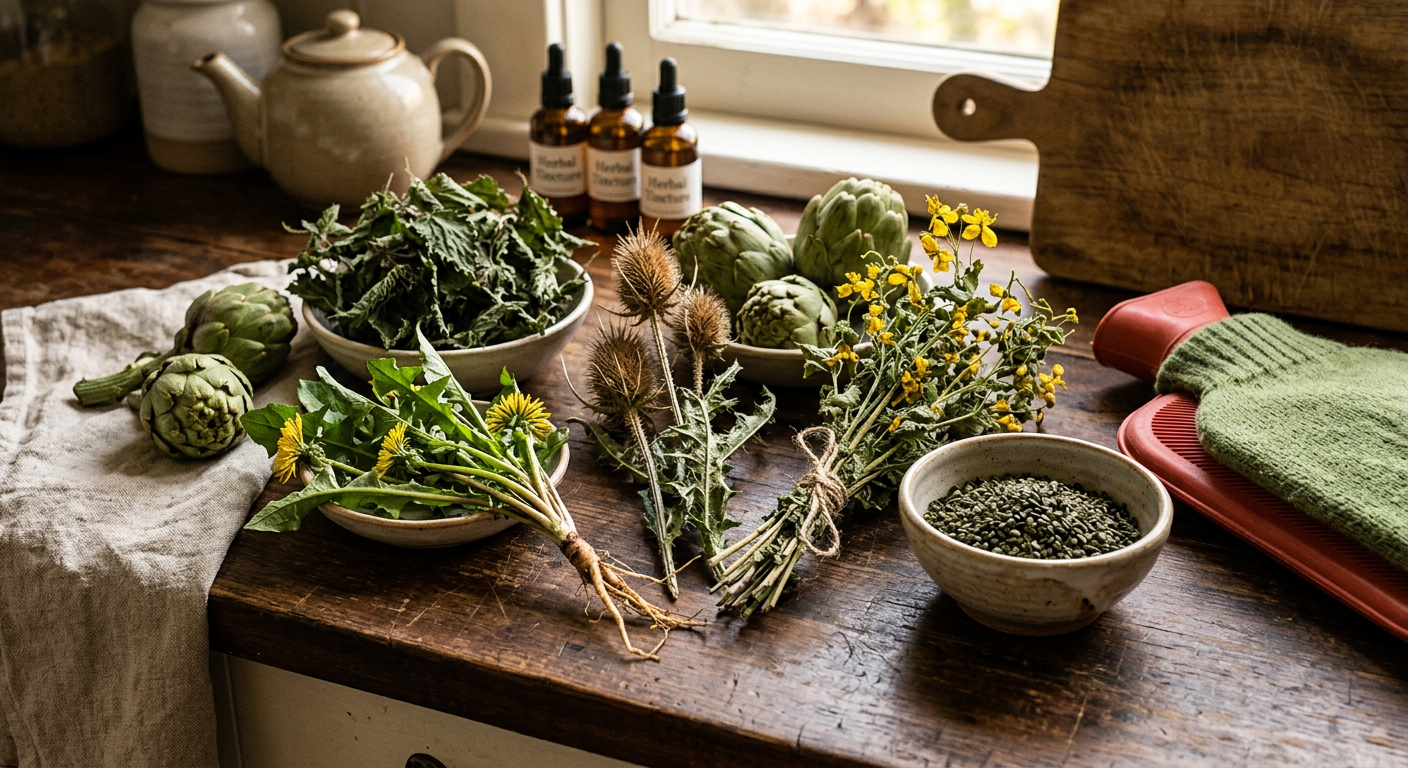
A small, gentle spring cleanse doesn’t have to be a radical fasting program. It’s all about the principle: creating space. Support the body. Less heavy food, more fresh food. Bitter substances – in rocket, chicory, dandelion, artichoke – are true spring miracles, as they stimulate bile production and help the liver to get back into its natural rhythm. Lots of fresh water, the first regional wild herbs, light vegetable dishes instead of winter stews.
Gently supporting the liver – practical companions for spring
It doesn’t take much to do something good for the liver in spring. It is often the simple, consistent gestures that have the greatest effect. Here are a few ideas that can be easily integrated into everyday life:
Warm liver compresses. One of the most effective and relaxing ways to support the liver is the classic warm liver compress. A damp, hot cloth – as warm as is comfortable – is placed on the right side of the body below the costal arch, with a dry cloth and a hot water bottle on top. Lie down for twenty to thirty minutes, do nothing, just be. The warmth promotes blood circulation in the liver, stimulates the flow of bile and at the same time has a profound effect on the nervous system: it signals safety and calm to the body. Used regularly – for example in the evening before going to sleep – the liver compress is one of the oldest and gentlest detoxification aids we know.
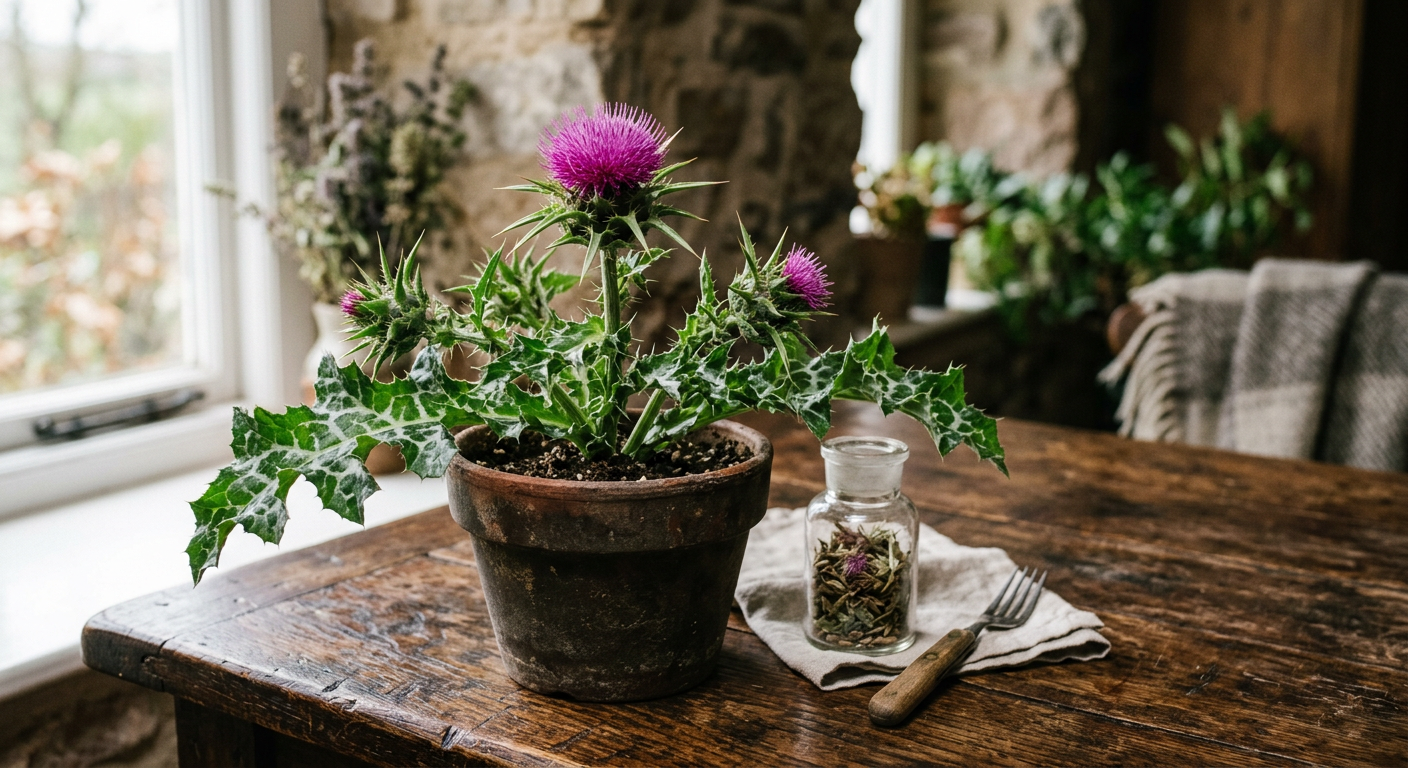
Milk thistle. The active ingredient silymarin from the seeds of milk thistle is one of the best-researched plant-based liver-protective substances. It protects the liver cells from oxidative stress, supports their regeneration and promotes detoxification. As a tea, tincture or capsule – a loyal springtime companion for the liver.
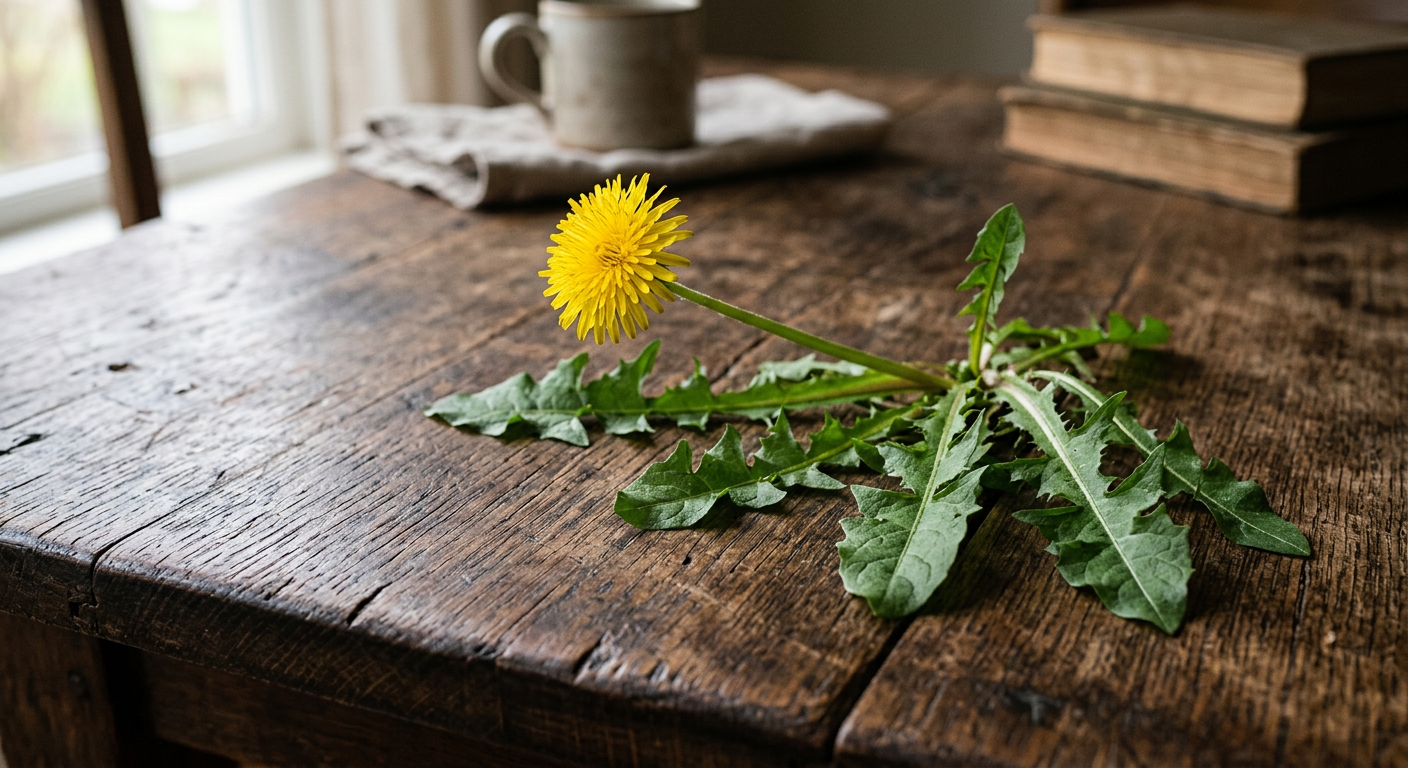
Dandelion. Hardly any other herb is as much a child of spring as the dandelion – and hardly any other is better suited to the season. The root and leaves act on the liver and gallbladder, stimulate the flow of bile and have a mild diuretic, detoxifying effect. The fresh leaves in a salad, tea made from the root or a dandelion spring juice – a direct contact with the energy of the season.
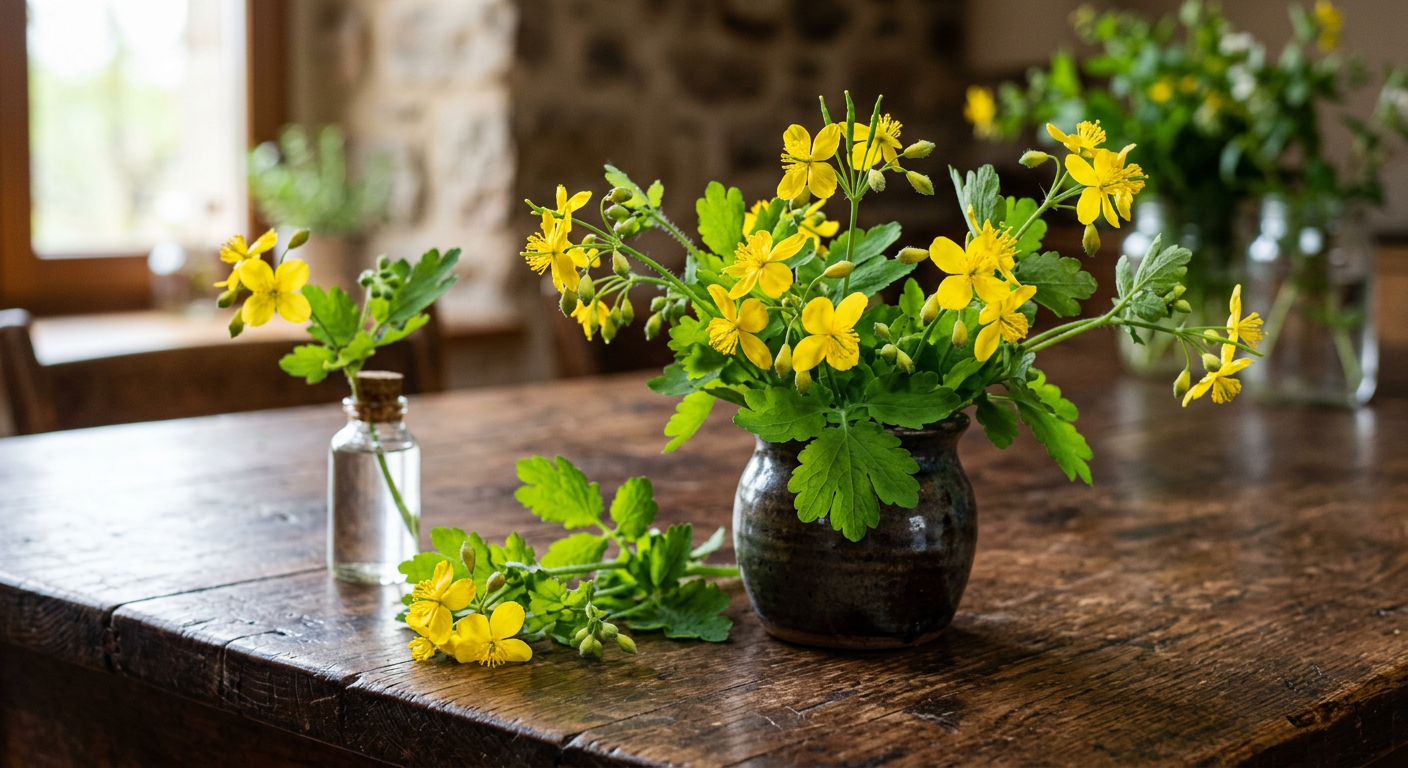
Celandine. The bright yellow flowering celandine belongs to the poppy family and has been a classic liver and bile herb in European naturopathy for centuries. It has an antispasmodic effect on the bile ducts, promotes the flow of bile and is traditionally used for digestive complaints associated with liver and bile stress – bloating, flatulence, pressure under the right ribcage. It is important to note that celandine is an herb with a high concentration of active ingredients, which means that it should be used in doses and not over a long period of time without a break. It is best used as a ready-made standardized extract or in consultation with an experienced therapist – then it unfolds its effect safely and in a targeted manner.
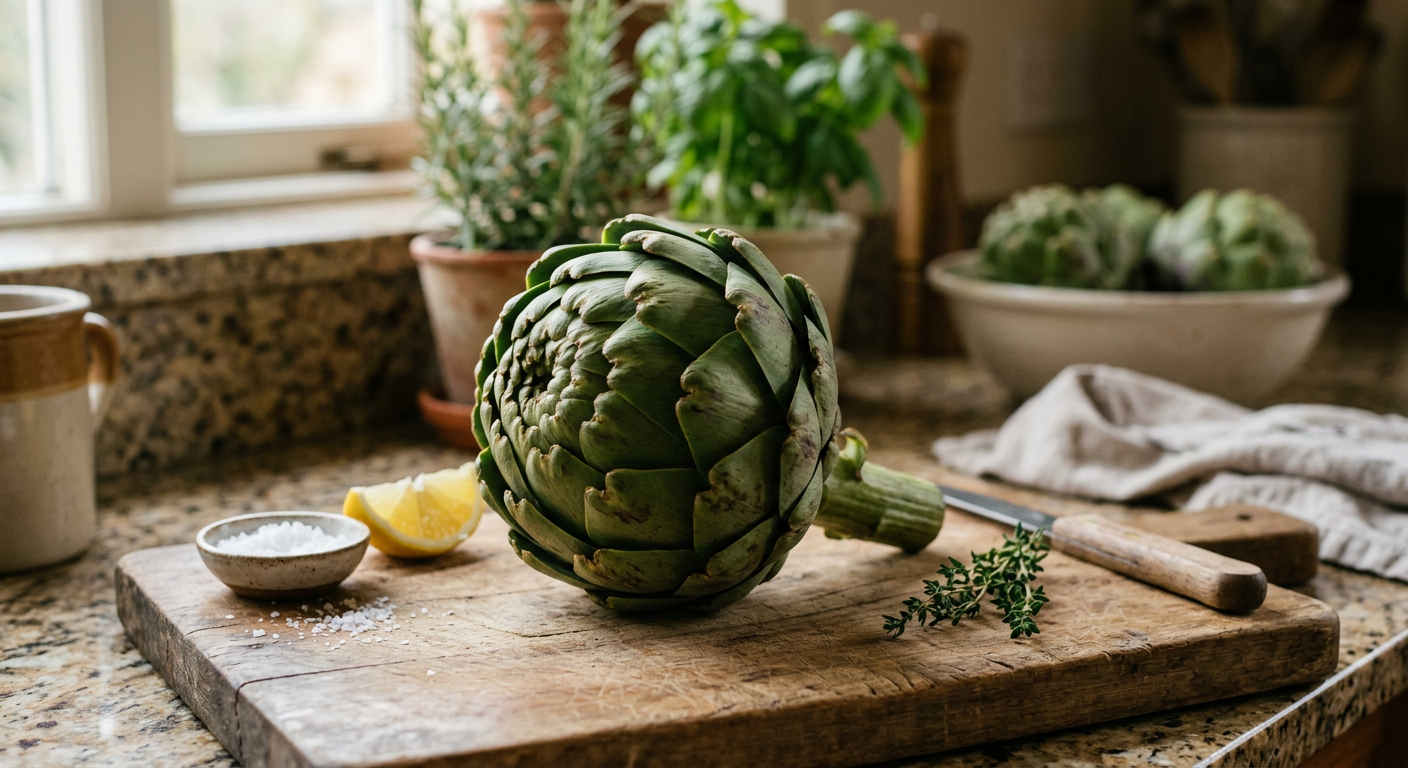
Artichoke. The artichoke is much more than just a Mediterranean vegetable – its leaves contain cynarin and other bitter substances that have been shown to support the liver in its detoxification process and stimulate bile production. Studies show that artichoke extract has a positive effect on cholesterol metabolism and protects liver cells from oxidative damage. As a tea made from the dried leaves, as a tincture or as a capsule – the artichoke combines culinary pleasure with genuine healing properties. If you like fresh artichokes on your plate, you get both at the same time.
Exercise – especially outside. In TCM, the liver meridian runs along the inside of the legs. Walking, stretching, yoga, light jogging – all of these get the liver qi flowing. Particularly effective: exercise in the fresh morning air, when the energy of spring is most noticeable. This is not high-performance sport, but the steady, joyful movement of the body.
Warm lemon water in the morning. A simple but effective start to the day: a glass of lukewarm water with the juice of half a lemon, drunk on an empty stomach. It gently activates bile production, aids digestion and gives the liver its first fresh boost after the night’s work. In TCM, the sour taste is considered to belong to the liver system – a small morning greeting to a hard-working organ.
Reduce alcohol and sugar. As unspectacular as it sounds, the liver is noticeably grateful when it is less occupied with breaking down alcohol and fructose in spring and can instead concentrate fully on detoxification and regeneration. Not as a ban, but as a conscious invitation: What feels easier?

The soul of the liver – anger, aggression and the power of moving forward
And then there is the psychosomatic dimension: in many healing traditions, the liver stands for the ability to make and implement plans. For visions, direction, a sense of where one’s life should go. When the liver energy is blocked, we often feel paralyzed – we know that we want to change something, but we can’t get going. Or we react with frustration and impatience because the energy is there but cannot find a way out.
In TCM, the liver is also the organ of anger and aggression – and this is not meant to be as negative as it sounds. The Latin word aggredere simply means to advance, to move towards something. Aggression in its original sense is therefore not a destructive force, but a driving force – the ability to go out of oneself, to take the initiative, to move forward. When liver energy is flowing, it manifests itself as healthy assertiveness and purposefulness. If it stagnates, this same energy can easily turn into irritability, impatience or suppressed anger. It is therefore worth pausing in spring and asking: Where am I holding back at the moment when I actually want to move forward?
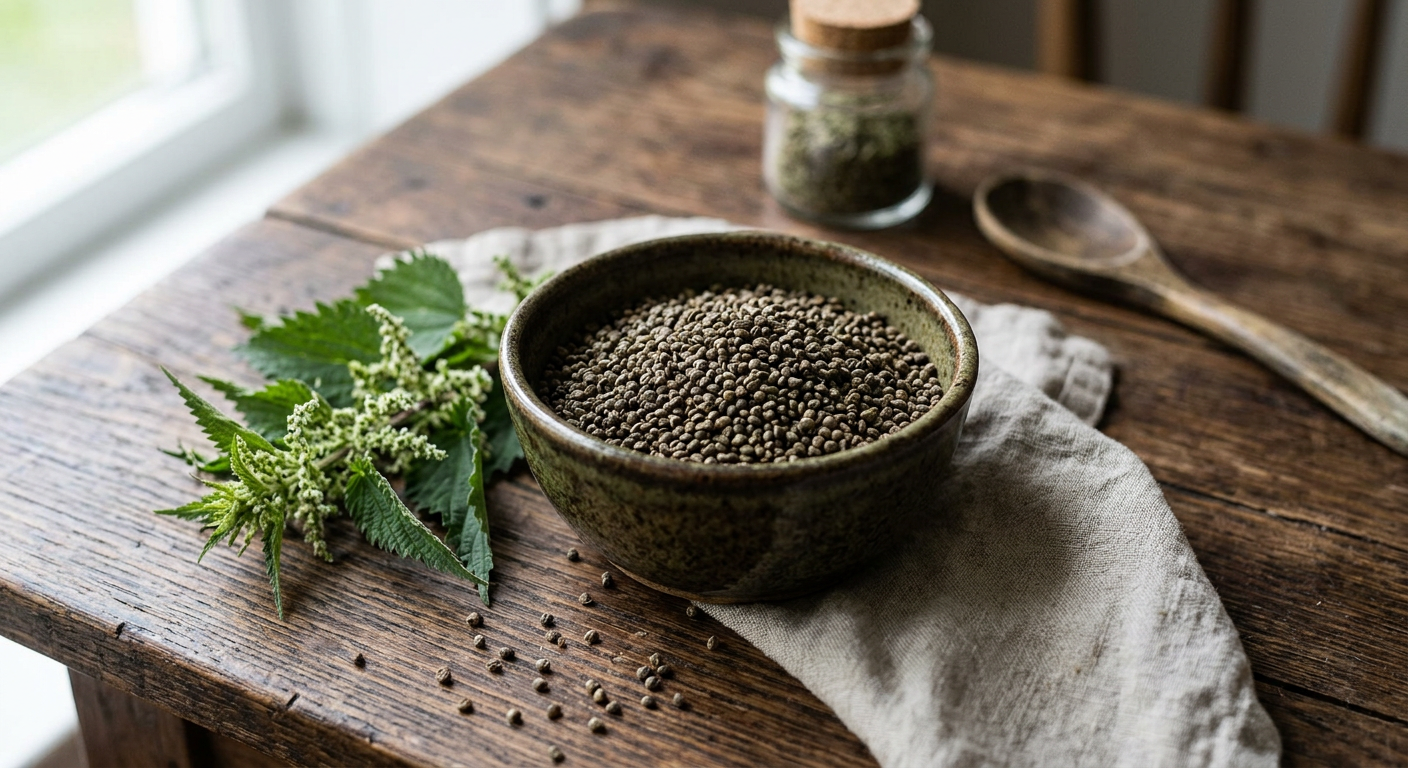
One herb that embodies this theme in a fascinating way is the stinging nettle. It burns – and thus demands respect and attention. It also carries the principle of aggression: it asserts itself, it sets itself apart, it cannot be overlooked. At the same time, stinging nettle is one of the most valuable spring herbs of all: rich in minerals, detoxifying, anti-inflammatory. And particularly interesting: it is considered a classic remedy for spring allergies – i.e. precisely at the time when the immune system itself goes into a kind of overreaction, a kind of uncontrolled aggression against actually harmless stimuli. Nettle helps to regulate this overreaction and bring the system back into balance. Spring herbal tea, fresh nettle soup or nettle as a smoothie ingredient – a small, powerful companion through the first season. And if you want to delve even deeper into the world of nettle, nettle seeds are considered to be one of the most powerful herbal tonics of all. They nourish the kidneys, strengthen the adrenal glands, increase energy and stamina – in a deep, restorative way, not as a short-term kick. In naturopathy, they are used to treat exhaustion, listlessness and a general lack of energy. Freshly harvested, lightly roasted nettle seeds sprinkled over muesli or in a smoothie – this is springtime power in its most concentrated form.
Spring is an invitation to use this energy – but lovingly, not with a crowbar.
Spring maintenance is more than just cleaning windows
Most of us are familiar with the term “spring cleaning” – and reflexively associate it with house cleaning. Clearing out drawers, putting away winter clothes, sorting out the cellar. That’s wonderful – but I invite you to expand the idea.
What do you need this spring to prepare for the coming season?
Professionally: Which projects would you like to tackle this year? Which idea has been in the drawer for too long? What steps can you take now?
Private: Which relationships do you want to nurture? Which old wounds can finally be let go – like old leaves that the tree releases so that new things can grow?
Physically: What does your body need now to get stronger for the more active season? More exercise in the fresh air? A lighter diet? More sleep? Or perhaps simply more awareness of how you actually feel?
Mental: What seeds do you want to sow in your inner world? What do you want to grow in your life in the coming months?
A new feeling every day
There is a little practice that I really appreciate and that costs nothing but a minute’s attention: in the morning, before you start your day, pause for a moment and ask yourself: where am I in my personal annual cycle right now?
Are you more in spring right now – full of energy, ideas and the desire to get started? Or are you more in the fall – harvesting, wrapping up, letting go? Or perhaps still in winter – not yet ready, exhausted, needing more stillness?
Because that’s the beauty of these cycles: they don’t just apply to the year as a whole. You can also be in completely different “seasons” within a day, a life situation or a relationship. The more you learn to recognize these rhythms within yourself, the more mindful you can be of your own energy – and the less you fight against your own nature.
Your personal start to spring
The beginning of spring on the calendar is a beautiful symbol – but it is only an invitation. The real question is: when will your personal spring begin? Perhaps it is already here. Maybe you can feel it right now in this quiet restlessness, in this desire to start something. Maybe you need a few more weeks of winter stillness.
Both are right. Both are good.
What I wish for you: that you consciously perceive the energy of this spring – both outside and inside. That you allow yourself to start anew, whatever that means for you. And that you give your body, your soul and your life exactly the same attention at this time of year that a good gardener gives his plants: care, patience and trust that what is sown now will find its way to the light.
To your spring – inside and out.

Leave A Comment